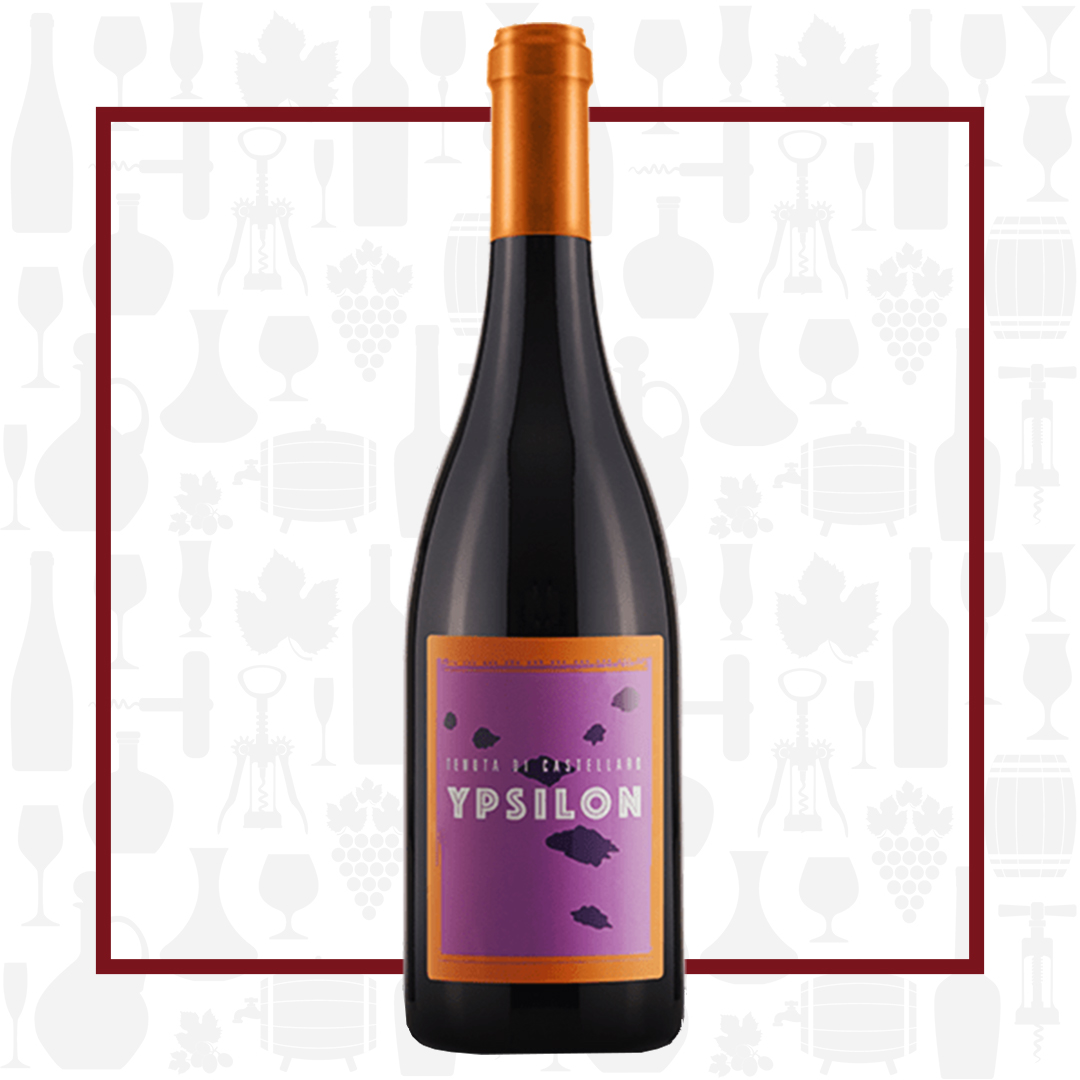

Cellar Profile
Tenuta di Castellaro’s breathtaking, sustainable winery is located on Lipari, the largest of Sicily’s volcanic Aeolian Islands. In 2005, Massimo Lentsch and Stefania Frattolillo, two entrepreneurs from Bergamo, planted Castellaro’s first vineyards. The winery is farmed organically, with a keen eye toward sustainability and minimal ecological impact. It is powered by cutting-edge bio-energy, including solar chimneys and wind towers. Rare Lipari Island varieties such as the famed Malvasia delle Lipari and Corinto Nero, as well as indigenous Sicilian grapes, like Carricante and Nero d’Avola, are planted on steep slopes and are grown “wild”, allowing native flora and fauna to be part of the ecosystem, to add to the rich biodiversity. The wines of Castellaro are known for their elegance, rich primary fruit and delicious, lip-smacking lick of salinity from the salt-infused rains and winds of the southern Mediterranean.
Region
Lipari Island is part of the Aeolian Archipelago, a historic group of islands on the north coast of Sicily in the Tyrrhenian Sea. Lipari is the largest of these islands and home to the winery. These incredibly fertile, volcanic soils were first planted to vine by the Phoenicians and have been producing wine for thousands of years. Steady breezes on this windswept island help cool the bunches during the hottest part of the days, making extremely hospitable conditions for organic and sustainable farming practices. The region is home to the indigenous varietals Corinto Nero and Malvasia delle Lipari. The deep volcanic sands sit atop large beds of porous volcanic slabs providing excellent drainage; even the most rainy years have little detrimental effect on the grapes.
Vineyard
The Tenuta di Castellaro Vineyard is located on Piana di Castellaro, a volcanic plain rising 1150 ft above the nearby Mediterranean. It is farmed organically, with a keen eye toward sustainability and minimal ecological impact. Dark sandy soils are mixed with a deep layer of rich, fertile volcanic soils, with high levels of magnesium, nitrogen, calcium and potassium. Sandier soils are often deficient in potassium, which leads to poor photosynthesis and affects fruit yields and proper berry ripening. The vines are "head-trained", with large clusters affixed to upright poles at consistent distances, allowing for higher planting density and focusing of the plant's energy on fewer, healthier grape bunches. The proximity to the sea creates a near constant wind, which helps prevent mildew and most fungus. It also cools the berries during the midday heat, occasionally lashing them with a fine slat spray, giving the finished wines their characteristic salty tang.
Winemaking
Hand-harvested grapes are de-stemmed and crushed within hours of harvest. The juice spontaneously ferments using indigenous yeasts before being pressed into stainless steel for malolactic fermentation and aging. The wine rests on its lees for a year before being bottled unfined and unfiltered.
Tasting Notes
A brambly nose redolent of red fruits and berries. The palate is mid-weight and the balance comes primarily from freshening acidity and ocean saline, with some soft, evolved tannins. Red fruit, black plum, garrigue, black olive and tobacco on the palate. Enjoy on its own on a cold night or pair with pasta Marinara, steamed clams or focaccia with olive oil and roasted red peppers.
Varieties
Corinto Nero, which can trace its lineage to ancient Greece, was brought to Sicily millenia ago and has become the signature grape of Lipari Island. A hardy variety, it grows particularly well in sandy soils and can handle intense winds, making it well-suited to the Sicilian climate. It is fairly vigorous, so care must be taken with canopy management to ensure even ripening, however it retains balancing acids, even in riper vintages. Nero d'Avola has become synonymous with Sicilian viticulture and is the most planted grape on the island. Growing well in dry conditions, it gives dark-coloured, extracted wines with marked tannic structure. It can become quite heavy in alcohol, but when planted at the higher elevations of Etna often gives lighter, fresher, aromatic wines of elegance. Alicante (Bouschet) is a crossing of Grenache and Petit Bouschet. Created in France, it has become one of the signature grapes of Alentejo in Portugal, where it is frequently called Tinto Francesca. It was brought to Sicily in the 15th century and is widely grown throughout the Mediterranean. Used as a blending grape, it gives wines with light colour, high alcohol levels and primary red fruit flavours.