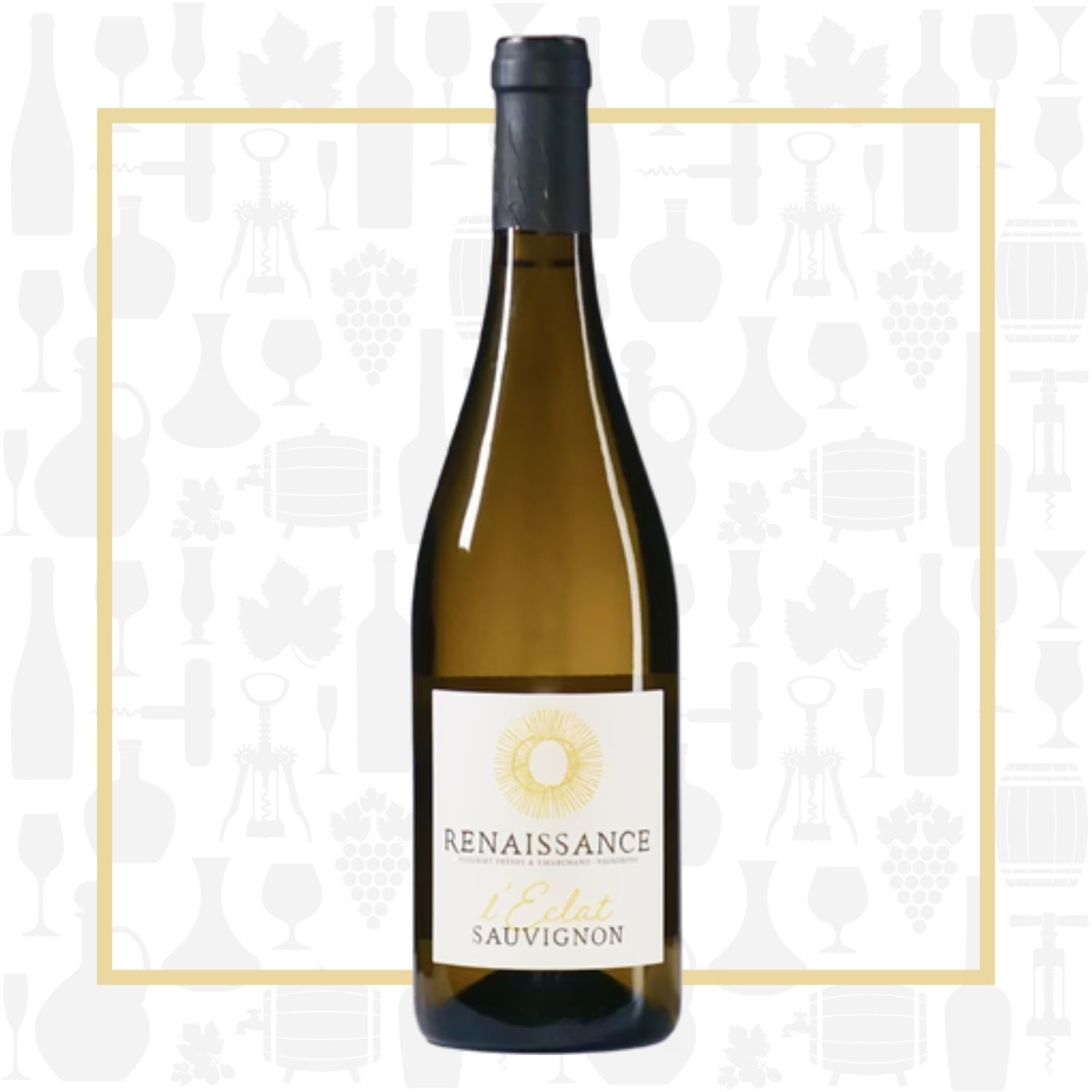

Cellar Profile
The Fleuriet family has been farming in the Menetou-Râtel commune of Sancerre since the French Revolution. In 1991, Bernard Fleuriet planted his first vines on the property. His curious and innovative sons, Mathieu and Benoit, have since built a new winery (2012), expanded and modernized production and converted to organic farming (2016). In 2022, they obtained the Demeter biodynamic certification. Domaine Benoit et Mathieu Fleuriet now cultivates over 30 ha of vines in the Sancerre and Menetou-Salon appellations and is known for its pure, mineral-driven and terroir-focused wines. In 2014, the two Fleuriet brothers partnered with one of their friends to restore 7 ha in Amigny, from which 'Renaissance' Sauvignon Blanc is sourced.
Region
Sancerre, located in the Loire Valley's Central Vineyards, is renowned for its crisp, mineral-driven Sauvignon Blanc wines, which account for the vast majority of total production in the appellation. It also produces a smaller amount of red and rosé wines made from Pinot Noir. The climate here is cool continental, influenced by its distance from the Atlantic coast, with hot summers, cold winters and potential threats of spring frosts and summer hailstorms. Amigny, situated in eastern Sancerre, benefits from its proximity to the Loire River, which moderates the extreme temperatures and helps grapes to achieve ideal ripeness – producing plenty of sugar content while maintaining acidity levels. Slopes here tend to be steep, allowing cold air to drain into the valleys below.
Vineyard
The 7 hectares of Renaissance vineyards are mainly located on the hamlet of Amigny, west of Sancerre. There are a mosaic of soils in the appellation, formed by geological shifts over millions of years. Most of the Renaissance wines are planted on Caillottes (hard limestone) soils, at an average altitude of 280 masl and oriented South/Southeast. There are also plots on steep slopes of more tender limestone called "Griottes", as well as two plots on "Terres Blanches" (white earth), also known as Kimmeridgian Marl, a unique terroir of thick clay and white limestone. The vineyards are farmed organically, with a focus on low yields to ensure high-quality fruit.
Winemaking
Renaissance Sauvignon l'Eclat is vinified by Mathieu Fleuriet within the primarily gravity-fed family cellar. Grapes are harvested by hand, then fermented on their skins, using indigenous yeasts, for 8 hours at a controlled temperature between 22°C and 24°C to preserve the characteristics inherent to this variety. The wine is aged on its lees in stainless steel tank for 6-8 months before bottling.
Tasting Notes
Light yellow with green reflections. On the nose you'll find an explosion of passion fruit and citrus – fresh lemon, juicy lime and pink grapefruit. There is a wonderfully natural acidity and that unmistakable Loire Valley minerality. Classic Sancerre character at a fraction of the price!
Varieties
Sauvignon Blanc originates from the French regions of Loire Valley and Bordeaux. The grape most likely gets its name from the French words sauvage ("wild") and blanc ("white") due to its early origins as an indigenous grape in South West France. Sauvignon Blanc often buds late but ripens early, which allows it to perform well in sunny climates when not exposed to overwhelming heat. You'll find this grape in nearly every wine making region on earth and it is produced in a variety of methods resulting in a wide spectrum of styles that range from lean to bountiful. It is a popular and unmistakable white that is loved for its “green” herbal flavors and inherently high acidity.