
Cellar Profile
Dan and Lynn Sullivan founded Rosehall Run in 2000. The 150-acre farm was selected due to its proximity to Lake Ontario (1-2 kms on three sides) and the remarkable clay soil scattered with rock and shale fragments on a calcareous limestone base. This was one of the earliest Prince Edward County wineries established in the west central region known as Hillier Ward. Planting of the vineyard began in 2001 with Pinot Noir and Chardonnay. Today, there are 25 acres of vinifera including Pinot Gris, Sauvignon Blanc, Gewurztraminer, Muscat and Tempranillo. With over 30 years of Ontario winemaking experience, Dan is recognized as one of the top winemakers in the region. He is critically acclaimed for his consistent, elegant, approachable Pinot Noirs, Chardonnays and Sparkling wines as well as his innovations with unique varietals.
Region
Nestled on a peninsula on the north shore of Lake Ontario, a short drive from Kingston, the Prince Edward County wine region sits on a bed of porous limestone. This is crucial for creating the mineral, brightly acidic wines the region is known for. The vineyards benefit from breezes off of Lake Ontario, keeping the temperature down on hot summer days and cool at night. "The County" was first settled in the late 18th Century and, after years of farmland agriculture, began growing grapes in earnest by the early 2000s.
Vineyard
Dan Sullivan and his family selected the location of Rosehall Run winery in the early 2000s because of its proximity to Lake Ontario and the remarkable Hillier clay soil, which is scattered with numerous rock and shale fragments on a limestone base. This soil is similar in composition to the soils of the Champagne region in France, so it is no wonder that the vineyards yield grapes that make beautiful cool climate wines. As luck would have it, Rosehall Run has taken full advantage of the similarities of its terroir to Champagne…to produce their first traditional method sparkling wine!
Winemaking
Tasting Notes
Varieties
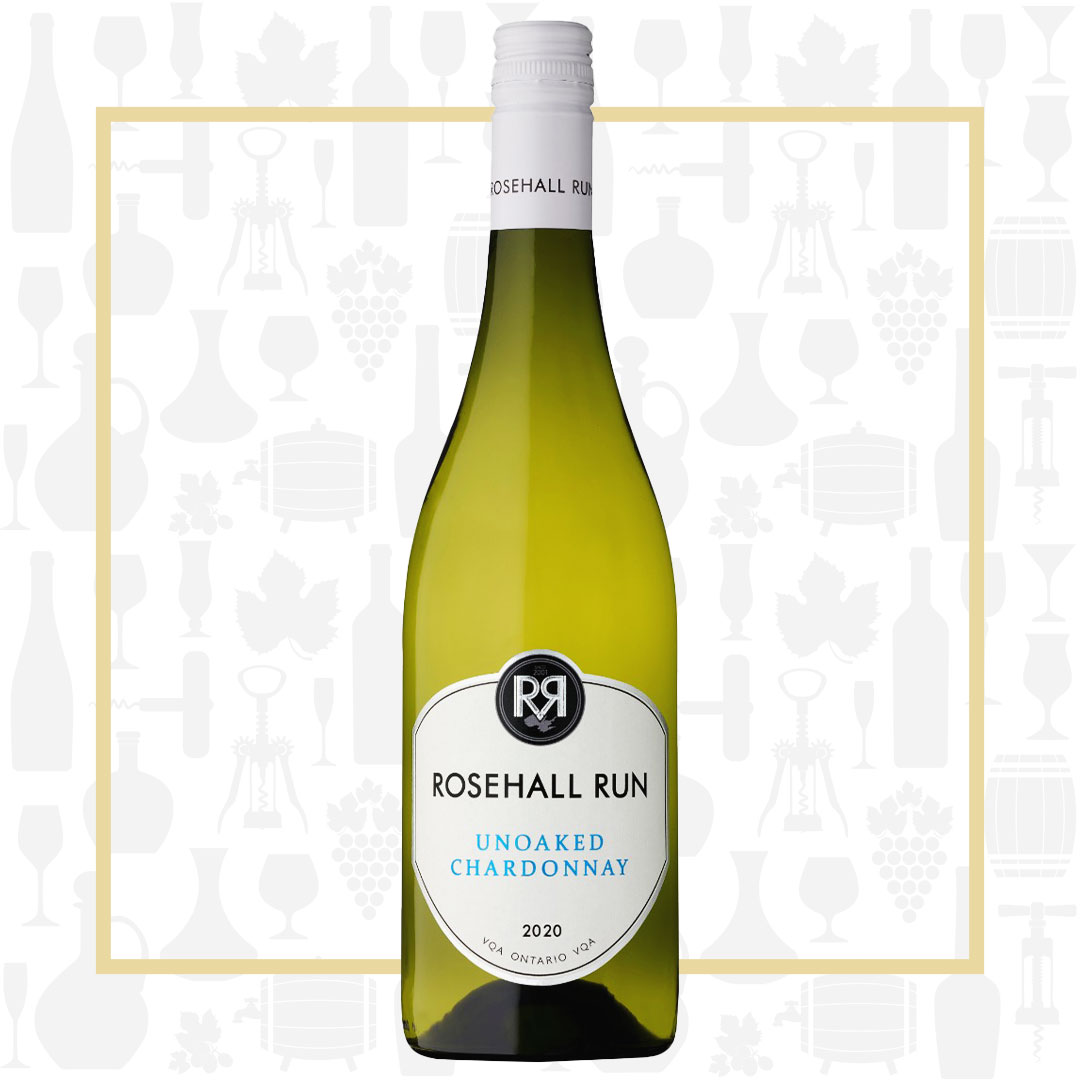
Chardonnay is the world's most famous white-wine grape and also one of the most widely planted, with the most highly regarded expressions of the variety coming from Burgundy and California. Climate plays a major role in dictating which fruit flavours a Chardonnay will have. Broadly speaking, warm regions such as California tend to give more tropical styles. While many Chardonnays have high aromatic complexity, this is usually due to winemaking techniques. (particularly the use of oak) rather than the variety's intrinsic qualities. Malolactic fermentation gives distinctive buttery aromas. Fermentation and/or maturation in oak barrels contributes notes of vanilla, smoke and hints of sweet spices such as clove and cinnamon. Extended lees contact while in barrel imparts biscuity, doughy flavours.