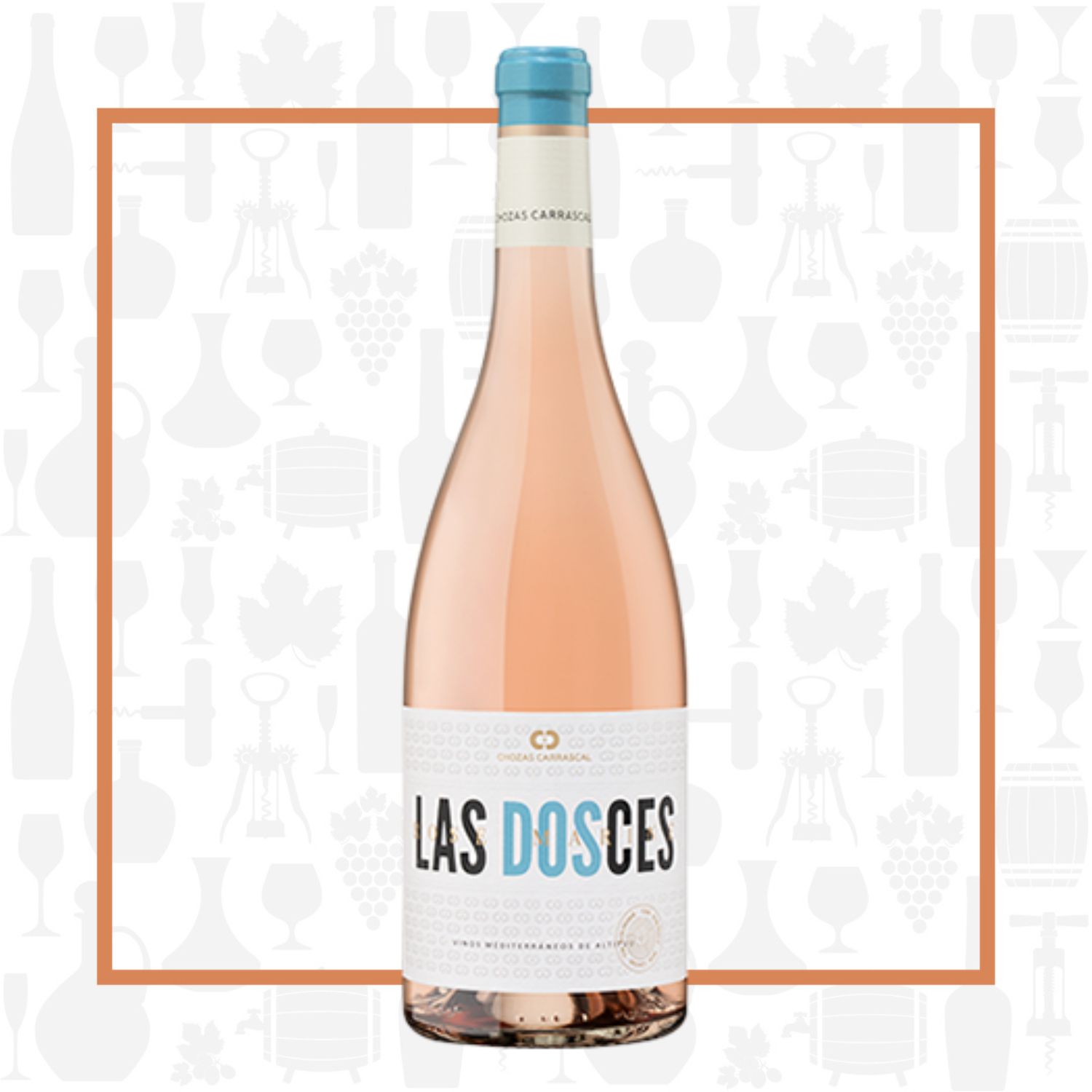

Cellar Profile
In 1990, husband and wife team Julin López and María José Peidro purchased an established vineyard in the Requena-Utiel region of Valencia in southeastern Spain. Shortly thereafter, when their extensive studies identified that their terroir was similar to that of many of the French vineyards they frequently visited as a family, they planted several international grape varieties. Today, the Chozas Carrascal vineyard is comprised of 14 plots sitting at 750-840 metres above sea-level on a thick slab of limestone-based subsoil, distinctive within the region. Their climate is significantly more continental than the rest of the D.O.P., with hot, dry summer days and cool, fresh nights. The winery’s uniqueness was recognized in 2012 when it was awarded ‘Vino de Pago’ status, meaning the winery is its own D.O., separate, distinct and at the top of the Spanish wine hierarchy. To date, there are 21 Vino de Pago properties in the country, each one representing a singular identity that combines the best of tradition and modernity. The 30-hectare vineyard at Chozas Carrascal is planted with 12 grape varieties split between local, indigenous grapes—Bobal, Monastery, Garnacha, Tempranillo and Macabeo—and widely-recognized French examples: Cabernet Sauvignon, Cabernet Franc, Merlot, Syrah, Chardonnay, Viognier and Sauvignon Blanc. These vineyards are farmed and certified organic and the wines exhibit elegant structure, intense, complex character and, most importantly, delicious drinkability.
Region
Utiel-Requena is a Spanish Denominación de Origen Protegida for wines located in the province of Valencia. It takes its name from the two neighbouring towns of Utiel and Requena and is renowned for the predominant use of the Bobal grape variety. Although these wines are moderately contemporary, the region is anything but. Traces of Phoenician amphorae suggest viticulture and wine production here date at least as far back as the 7th century BC.
Vineyard
Chozas Carrascal has been daring in its viticulture approach, planting its vines at a density of 1,335/acre (3,300/ha), far denser than any vineyards nearby. This forces vines to compete for water and nutrients and drives yields down. The vineyards grow on a slight slope. Sunlight, cool coastal breezes and loamy, chalky soil all contribute to the quality of the wines produced. The El-Aljibe plot has an East-west layout, with dense plantings to encourage vine stress.
Winemaking
Direct pressing at low temperature.Maceration occurs only during pressing.Primary fermentation is carried out at a controlled temperature below 18ºC and malolactic conversion is prevented to maintain the wine’s freshness. Light lees stirring for three months in the tank after racking the wine and removing the gross lees.
Tasting Notes
Pale bright salmon colour. The clean, delicate nose is dominated floral notes and hints of wild red fruits and tangy strawberry. Balanced, complex and elegant on the palate, with a touch of salinity and graceful mineral notes that add an extra layer of freshness. A versatile food partner, pair with fish and seafood, white meats and summer salads.
Varieties
Garnacha is one of the most widely-planted red wine grape varieties in the world. It ripens late, so it needs hot, dry conditions such as those found in Spain, where it is believed to have originated. It is generally spicy, berry-flavoured and soft on the palate and it produces wine with a relatively high alcohol content. It is also particularly suited to crafting fine rosés, as its thin skin and large berry impart light colour without tannic grip. Bobal is a dark-skinned wine grape variety native to Utiel-Requena. Thick skins, late budding and drought-resistance have made it well-suited to the dry, continental landscape where it makes its home. This under-the-radar grape is the 2nd most planted red wine in Spain (behind Tempranillo). Bobal wines are loved for their fruity flavors, soft tannins and velvety finish.