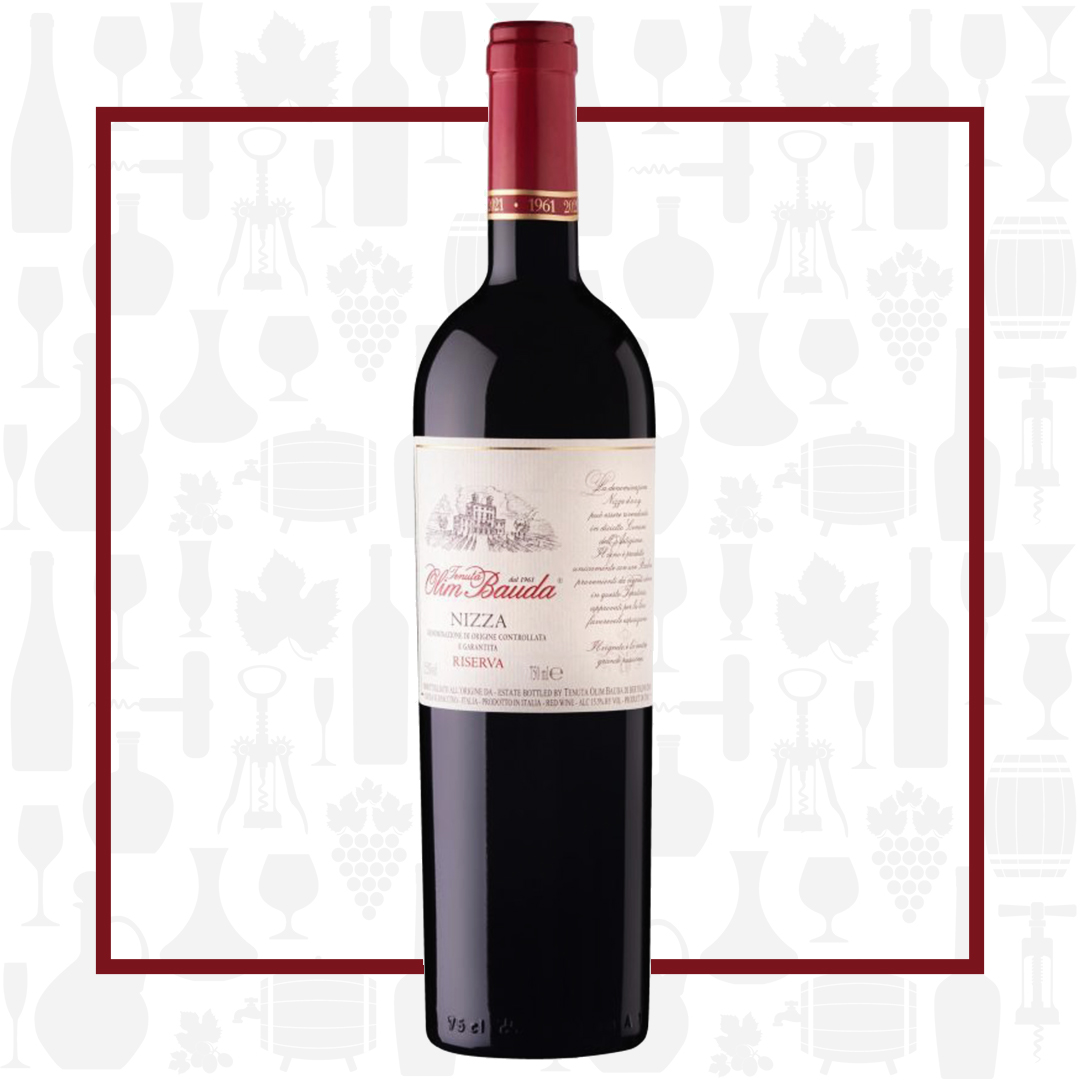

Cellar Profile
The Bertolino family’s origins are in the village of Castelnuovo Calcea, in the Asti district of Piemonte. There, more than a century ago, the family began their venture in both winemaking and the wine trade. In the 1920s, the family moved to the neighbouring commune of Nizza Monferrato and the first Bertolino license to sell wine was dated there, on June 18th, 1927. In 1961, the family bought the villa Bauda at Incisa Scapaccino. They created the “Tenuta Olim Bauda” that soon became famous for Freisa, Moscato and, above all, Barbera. Following the tragic death of Bertolino Sr. in 1985, the family was forced to close the winery and sell their prized fruit to other producers in the area. In 2000, the family decided to reestablish the winery and its winemaking traditions. Today, the estate is owned and operated by the three Bertolino siblings: Dino, Diana and Gianni. Their wines are at once modern and classic, loaded with fruit, intensity and brawn and backed by elegance, structure and refinement.
Region
An outstanding high-quality wine region in northwest Italy, widely considered the country’s most stable and evolved viticultural area. Its temperature and rainfall mirror Bordeaux. The vast majority of Piedmont’s terrain is mountainous or hilly, creating optimum elevated vineyard sites for the region’s best varieties. Of those, Nebbiolo enjoys the greatest notoriety and acclaim. The grape reaches its highest potential in the sub-regions of Barolo and Barbaresco where it is made into incredibly structured, complex, and ageworthy wines. Approximately half of Piedmont’s vineyards are planted with Barbera. The past thirty years have seen significant improvement in Barbera-based wines, with some commanding price levels that approach those of Barolo and Barbaresco. Prior to 1980, white wines were, for the most part, an afterthought, but they are now gaining acclaim and popularity in Italy and abroad. Of particular interest is the resurgence of Gavi, made from the Cortese grape, and the low-alcohol, frizzante Moscato d’Asti.
Vineyard
These grapes come from the Estate's historic vineyard in Incisa Scapaccino, planted in 1961. Located in the commune of Nizza Monferrato, the soil here is alluvial (sedimentary deposits) on top of clay sandy marls. Grapes are trained via Guyot system. The Olim Bauda site is one of the warmest in Asti, allowing Barbera to fully ripen and show its great potential. Yields must be less than 70 quintals per hectare. 2020 was an exceptional year in the Nizza DOCG region: late budding, a gentle, warm growing season and a sparkling, golden autumn.
Winemaking
Grape selection generally takes place in late September or the first week of October and is conducted entirely by hand. The grapes are crushed within hours of harvest and placed in temperature-controlled stainless steel vats. After alcoholic fermentation is finished, the wine is racked and transferred into 25HL French oak barrels for +/- 30 months of aging, followed by further refinement in bottle.
Tasting Notes
Dense rub red colour. Charming aromas of ripe cherry, plum, violets and licorice, with delicate spice and herb notes and a fine, smoky undercurrent. On the palate, velvety and structured at the same time. Integrated fine tannins and bright acidity with a spicy mineral vein, Precise, textured and elegant. Terrific with a variety of foods including pizza, pasta or anything off the grill.
Varieties
Barbera is a red Italian wine grape variety that produces good yields and is known for deep colour, full body, low tannins and high levels of acid. When young, the wines offer a very intense aroma of fresh red cherries and blackberries. In the lightest versions, notes of cherries, raspberries and blueberries; and with notes of blackberry and black cherries in wines made of more ripe grapes. Many producers employ the use of toasted oak barrels, which provides for increased complexity and aging potential. The lightest versions are generally known for flavours and aromas of fresh and dried fruit. The most powerful and structured examples can be found in the Nizza DOCG.