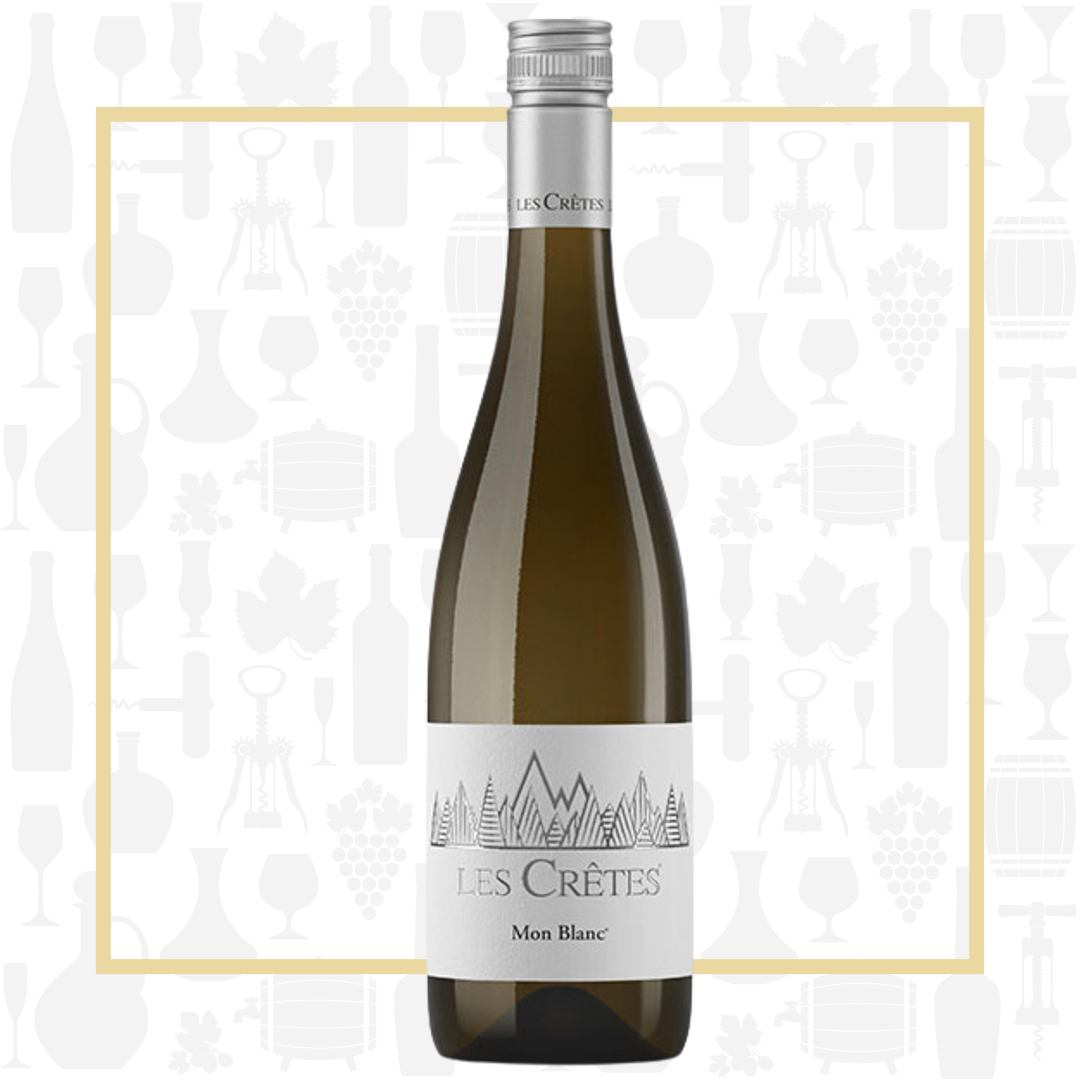

Cellar Profile
In the mid 1700s, Bernardin Charrère moved from the Haute Savoie in Southeast France to the Aosta Valley and established Les Crêtes, a mill and farm in Aymavilles. This was in the middle of the 21 square mile Aosta Valley, in the heart of the wine region. In 1810, the family planted 2 hectares of vinifera grapes and the winery was born. The family still continues to craft wines from those vineyards to this day. Consistently recognized as the finest producer in the region, this is a boutique estate by international standards, but the largest privately-owned winery in Val d’Aosta. Working with the Italian government and other tiny vignerons in the region, Les Crêtes has been a pioneer in searching out rare, indigenous vinifera varieties — grapes like Petit Rouge, Mayolet, Prie Blanc, Premetta and Fumin, which exist nowhere else in the world — and helping protect them from extinction. This is one of the most challenging regions on earth to work for wine, with noncontiguous vineyards frequently planted on ledges on the side of steep Alpine mountains where they can find a little sandy soil. Hot summer days and extremely cool nights, coupled with a dry growing season allow for some of the longest hang times on earth. Their wines are powerful yet elegant, with trademark salty minerality – a true representation of this unique Alpine terroir.
Region
Surrounded by the Alps, the Valle d'Aosta is home to the highest elevated vineyards in all of Europe. The region is divided into three main vineyard areas: the upper valley,Valdigne; the central valley; and the lower valley. Most vineyards occupy the steep, south-facing slopes above the Dora Baltea river, a tributary of the Po. The dramatic topography and diminutive size of the valley mean that the area available for viticulture is limited. Much of the valley floor, with its mineral-rich, well-watered soils, is simply too fertile for quality viticulture. As a result, many of the best vineyards here are on the lower slopes, and climb steadily up the slopes to top altitudes of around 1300m above sea level.
Vineyard
Sourced from multiple vineyards throughout Aymavilles at 500-700 metres above sea level. Vines averaging 15 years of age are trained in the French Guyot method and cultivated on steep slopes comprised of morainic, loose, sandy soils which are exposed to the northeast, southeast and southwest.
Winemaking
Heroic manual harvests from some of the highest and steepest vineyards in the world. The grapes – vinified separately – are gently pressed into stainless steel, for a long, cool fermentation. A small portion is allowed to undergo malolactic conversion, to add texture and creaminess to the final blend. The wines age on their lees, before being blended, lightly fined and bottled.
Tasting Notes
This bright Alpine white captures the crisp mountain air and mineral-rich soils of the Aosta Valley with clarity and elegance. Lifted, rich nose of white grapefruit, stone fruits and alpine herbs. The palate is zesty and crunchy, with plenty of acidity, but there is also a silkiness mid-palate that makes it a little fatter than you would expect. Pear, green apple and quince notes on the palate, along with that textbook Aosta saltiness. The finish is crisp and dry. Perfect as an aperitif or with fresh cheeses, raclette, seafood crudo and cold cut sandwiches.
Varieties
A blend of indigenous and French varietals. Mon Blanc is classified as a Vino da Tavola and, by law, the winery cannot indicate the grape varieties that are part of the blend, but typically it includes a combination of Petite Arvine, Chardonnay, Pinot Gris, Müller Thurgau, Prié Blanc and Pinot Blanc. Petite Arvine, often the main component, is a white grape grown mainly in Valais Switzerland and in Italy's Valle d'Aosta. It is early budding, late ripening and somewhat fussy in the vineyard. It needs sunny sites that are protected from the wind so its grapes can reach full ripeness. It contributes high acidity and notes of apricot and minerals. Chardonnay is a core variety in the blend, providing structure and freshness. Müller Thurgau is another cool climate grape that does extremely well at high elevation. It is quite low in acidity and uses minerality for balance. It is frequently included for its delicate floral and fruity profile. Pinot Gris is a mutant clone of Pinot Noir that also thrives in cooler climates and adds aromatic complexity and texture to the final blend. Prié Blanc – often used to enhance Mon Blanc's crisp, distinctly mountain character – is an rare, cold-hardy, indigenous white grape variety primarily cultivated in the high-altitude Aosta Valley. Pinot Blanc —a genetic mutation of Pinot Noir, found mostly in Germany and Northern Italy—is sometimes used to add softness and balance.