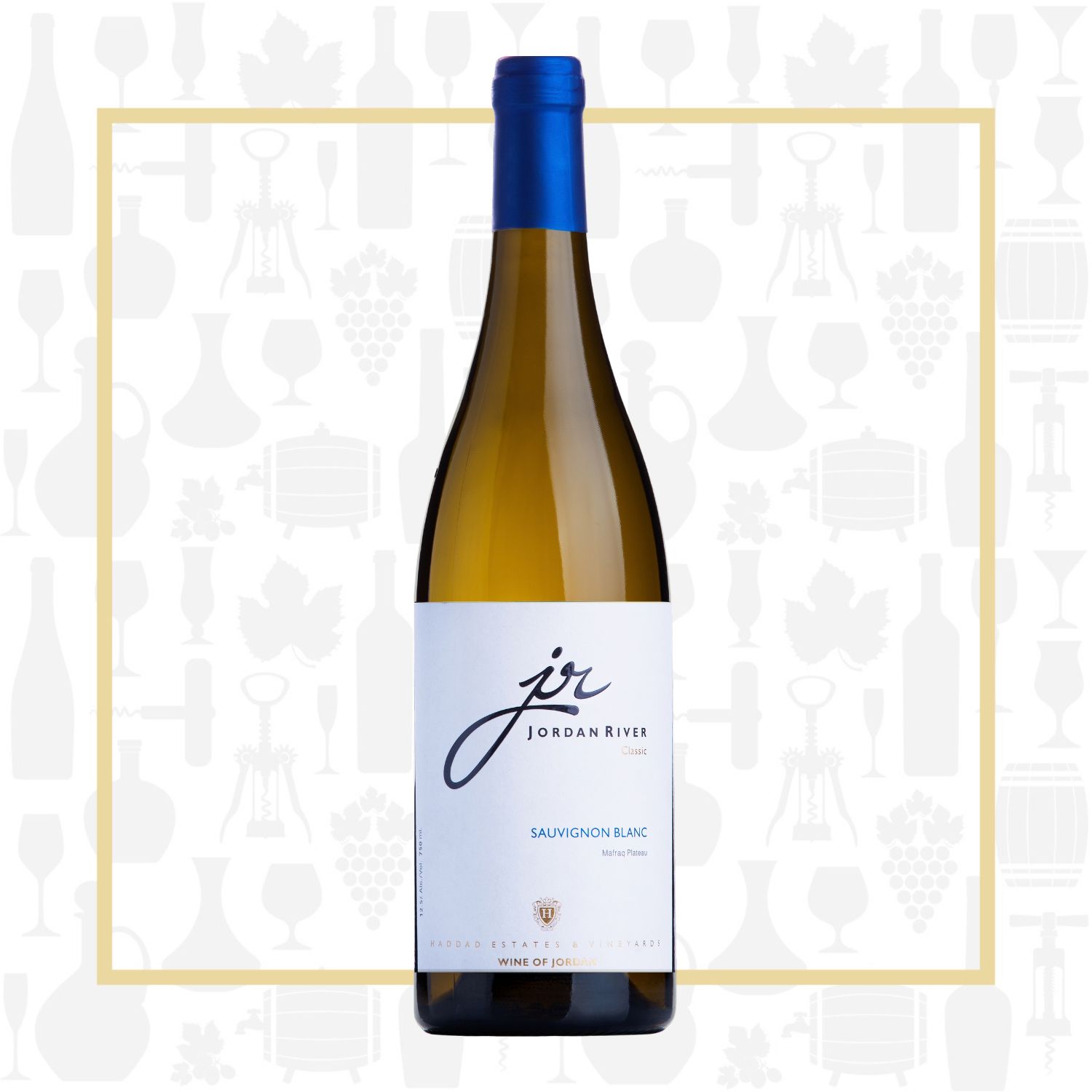

Cellar Profile
The vineyards of family-owned Jordan River Wines are located on the Mafraq Plateau, on a mountain 80 km north of Amman. This is a holy site to the Abrahamic religions and the World Heritage site of Umm El-Jimal. The iron-rich, organically-poor soil sits upon a massive basalt slab that makes the vines work feverishly to reach the water table. Jordan is ranked as the 3rd most water poor country on earth and the region receives scant rainfall during the dry summers. However, the adjacent Massive Jabal Al-Arab glacier feeds glacial melt into 400-metre-deep aquifers that sustain the vineyards. 330 sunny days per year, on average, allow for full phenolic ripeness in the skins. These grapes are grown at elevation (almost 3000ft), with huge diurnal temperature shifts that impart freshness and acidity in the wines produced. Over 45 different Italian, French and Spanish varieties are planted.
Region
Located on a remarkable landscape atop the Mafraq Plateau, at an altitude of 840 meters. At some point in antiquity, an extinct volcano (Jabal-Al-Arab) poured out fields of basaltic lava over the Mountain Heights Plateau, an area that is Jordan’s most fertile region. The Jordanian climate, with over 330 sunny days yearly, coupled with dry summers and constant breezes, is ideal for grapes and vines. Vast diurnal shifts between day and nighttime temperatures allow the vines to rest, which enhances the characteristics and retains balance of the varieties.
Vineyard
Over 40 types of world-renowned vines, of the best quality, thrive in the mineral rich volcanic soil of the Basalt Desert. All forty are grown in this ideal mixture, ultimately producing elegant wines. The rain and melting snow flowing off the 1800m-high Jabal Al-Arab travel under the volcanic desert surface and accumulate in 400-meters deep aquifers. This water is brought to the surface and used to supply the 120 hectares of 'dry-farmed' vineyards.
Winemaking
Grapes were harvested and fermented in stainless steel tanks, using select yeast, at a controlled temperature, for 14-20 days to preserve the primary fruit characteristics.
Tasting Notes
The elevation and large temperature shifts of the Mafraq Plateau impart high natural acidity and freshness to this wine. Primary aromas of citrus, lemon leaves and jasmine, along with notes of peach and melon. The light, refreshing palate is dominated by lemon and grapefruit with a mineral-driven, saline finish. Serve well chilled with grilled white fish, grilled asparagus, salads or ceviche.
Varieties
Sauvignon Blanc originates from the French regions of Loire Valley and Bordeaux. The grape most likely gets its name from the French words sauvage ("wild") and blanc ("white") due to its early origins as an indigenous grape in South West France. Sauvignon Blanc often buds late but ripens early, which allows it to perform well in sunny climates when not exposed to overwhelming heat. This popular and unmistakable white is loved for its “green” herbal flavors and inherently high acidity. Sauvignon Blanc grows in nearly every wine making region on earth and is produced in a variety of methods resulting in a wide spectrum of styles that range from lean to bountiful.