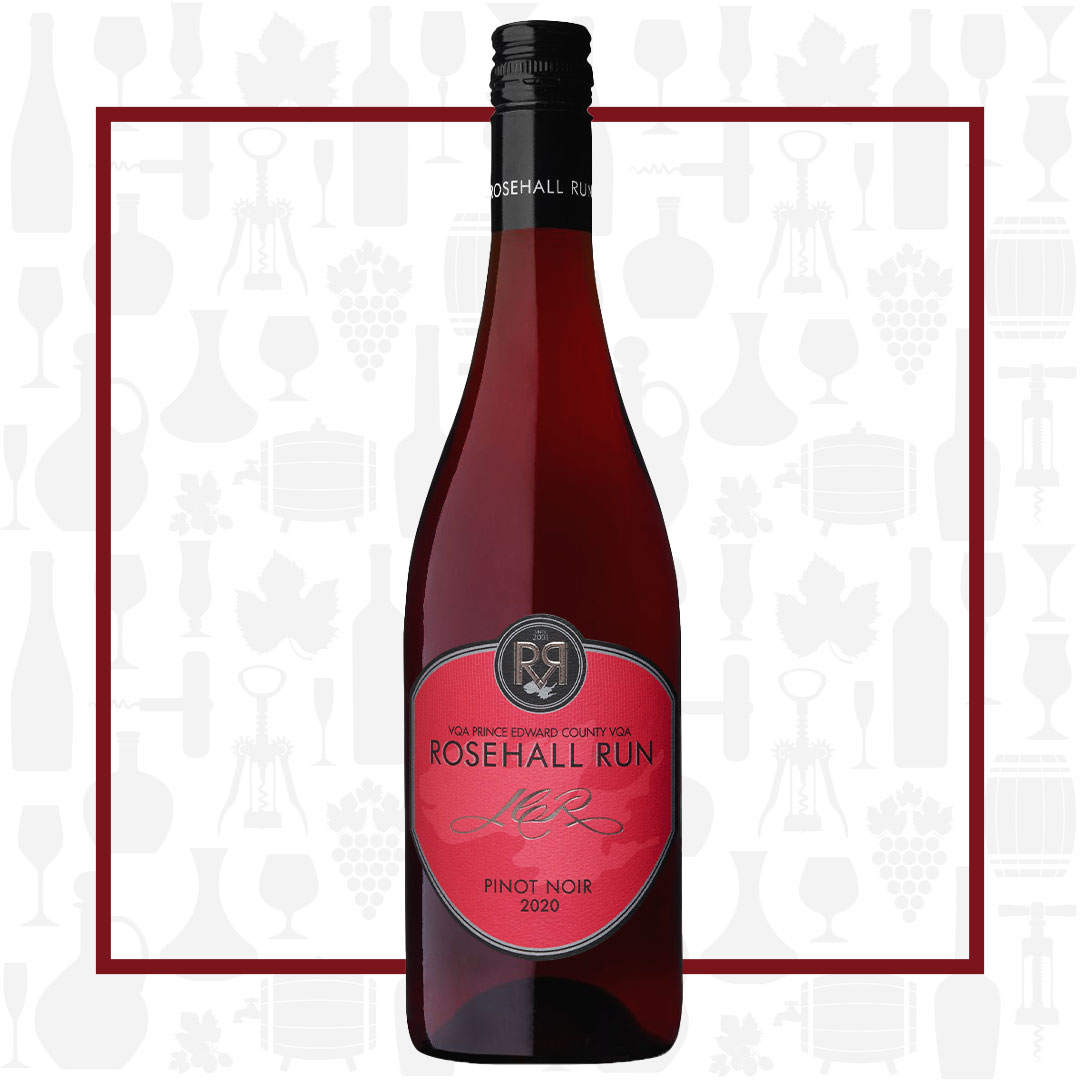

Cellar Profile
Dan and Lynn Sullivan founded Rosehall Run in 2000. The 150-acre farm was selected due to its proximity to Lake Ontario (1-2 kms on three sides) and the remarkable clay soil scattered with rock and shale fragments on a calcareous limestone base. This was one of the earliest Prince Edward County wineries established in the west central region known as Hillier Ward. Planting of the vineyard began in 2001 with Pinot Noir and Chardonnay. Today, there are 25 acres of vinifera including Pinot Gris, Sauvignon Blanc, Gewurztraminer, Muscat and Tempranillo. With over 30 years of Ontario winemaking experience, Dan is recognized as one of the top winemakers in the region. He is critically acclaimed for his consistent, elegant, approachable Pinot Noirs, Chardonnays and Sparkling wines as well as his innovations with unique varietals.
Region
Nestled on a peninsula on the north shore of Lake Ontario, a short drive from Kingston, the Prince Edward County wine region sits on a bed of porous limestone. This is crucial for creating the mineral, brightly acidic wines the region is known for. The vineyards benefit from breezes off of Lake Ontario, keeping the temperature down on hot summer days and cool at night. "The County" was first settled in the late 18th Century and, after years of farmland agriculture, began growing grapes in earnest by the early 2000s.
Vineyard
The grapes for this prestigious bottling are sourced from select vines in the West and North vineyards. These sit on that signature County rocky limestone. The "Hungry Point" vineyards are surrounded on 3 sides by water, forming a microclimate that is hospitable for the finicky Pinot Noir grape.
Winemaking
A challenging vintage, with drought stress in the summer and a lot of rain in September and October. Great care was taken to manage canopy to ensure airflow during the wetter periods. After harvest, the Pinot grapes were de-stemmed and crushed into open top stainless steel for three weeks of maceration and slow, cool fermentation with twice daily pumpovers. After settling, the wine wine was transferred into French oak barriques (40% new, 60% second fill) for 16 months of aging, before being lightly filtered and bottled.
Tasting Notes
Classic cool climate Pinot on the nose, with lifted red cherry, raspberry, earth and a hint of oak vanillins. The palate is medium-bodied, but the mid-palate depth gives it an extra boost of weight. The tannins are noticeable, but extremely soft and approachable. The balance here comes from the zesty acidity that is signature to the County. Flavours of red fruits, red plum, cedar and baking spices. The wine is drinking beautifully now, but will garner complexity and tertiary notes with mid-term cellaring. Chill to cellar temperature and serve with seared duck breast, sauteed mushrooms on toast or enjoy on its own as a contemplation wine.
Varieties
Pinot Noir grapes are black-skinned and typically very difficult to cultivate. It is well known internationally and is grown in most winemaking regions around the world. Its origins trace back to the Burgundy region in France. Canada has had great success with this grape variety, producing renowned wines in Prince Edward County, among other regions.