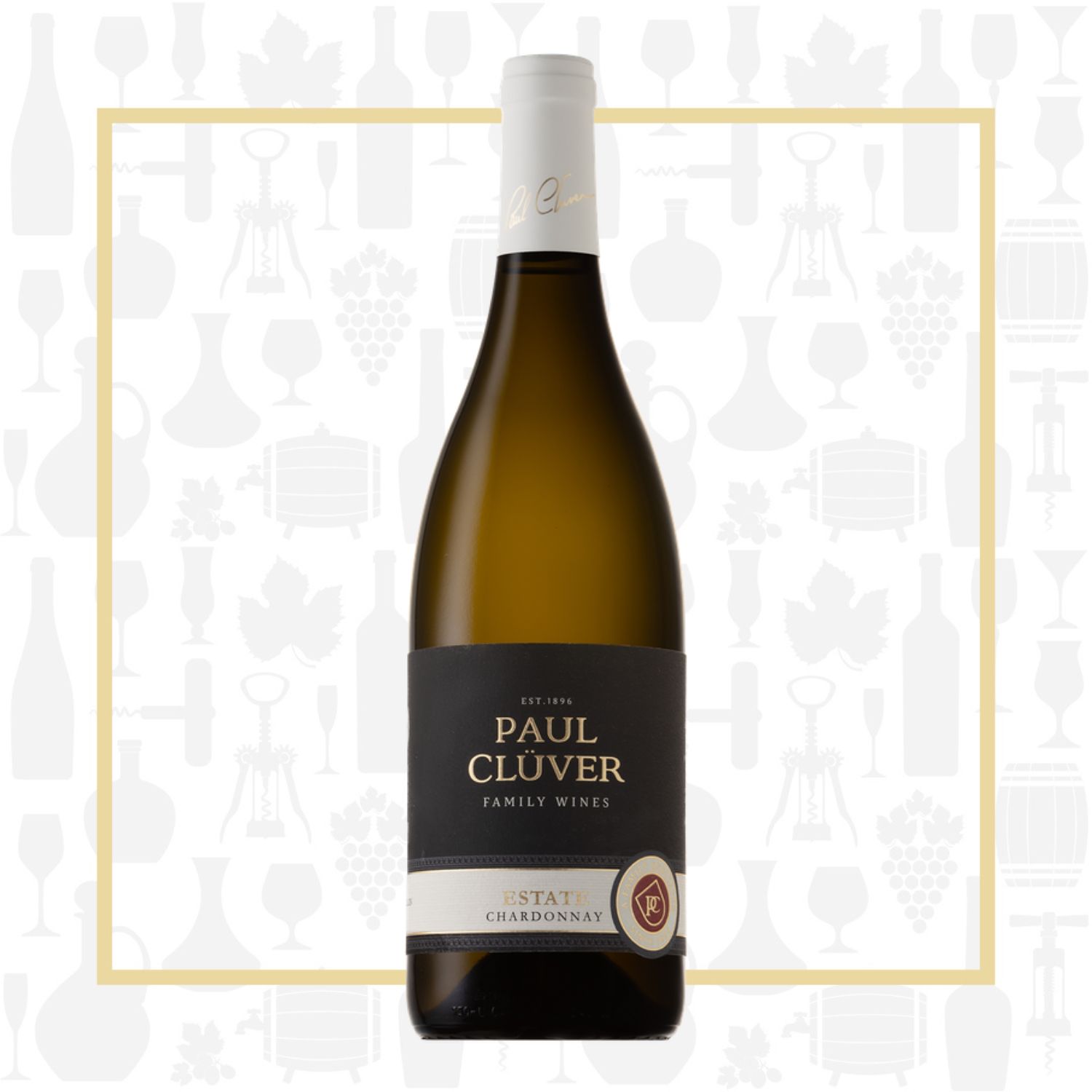

Cellar Profile
This family-owned, family-run wine business is located approximately 70km southeast of Cape Town. The property has been owned by the Cluver Family – recognized as pioneers of wine in the area – since 1896. The focus here is on producing elegant wines that are expressive of the terroir. The cool Elgin Valley provides the ideal conditions for world-class Chardonnay and Pinot Noir. The wine business forms part of larger holistic farming business called ‘De Rust Estate'. In addition to the vineyards and cellar, there are apple and pear orchards, a Hereford stud and eco-tourism activities, including amphitheatre concerts on the farm. This 2000+ hectare estate forms part of the Kogelberg Biosphere, a UNESCO world heritage site. Half of the estate has been set aside for conservation into perpetuity.
Region
Elgin is the coolest growing region in South Africa, with temperatures rarely rising above 30°C during the growing season. With only 800 ha. under vine, it is also one of the smallest and least planted, as the rocky terrain, cool temperatures and low rainfall make growing grapes a challenging endeavour. Sitting amongst the Hottentot-Holland mountain range, the soils are a mixture of sandstone, decomposed shale, gravel and clay. Due to the precipitous diurnal temperature drops, viticulturists have eschewed the traditional red Bordeaux varieties favoured throughout most of South Africa, planting instead delicate Pinot Noir and altitude-loving Syrah. The most widely-planted white is Sauvignon Blanc, but the future of the region lies in Chardonnay, with world class examples being crafted. Riesling plantings are increasing and showing tremendous promise. Elgin wines tend to be high in acidity, with evolved flavours, as the long hang times allow full phenol development.
Vineyard
There are almost 15 hectares of Chardonnay on the estate. Vines range in age from 6 to 38 years. The soil is predominantly decomposed Bokkeveld Shale with underlying clay at varying depths.
Winemaking
Grapes were whole-bunch pressed, settled naturally overnight and then transferred to French oak barrels for a wild fermentation in a selection of French oak barrels (33% new, 28% 2nd and the balance in 4th fill). It remained on the lees for nine months without any sulphur addition before an assemblage from the best barrels was made.
Tasting Notes
Ripe orange, tangerine and winter melon on the nose, with lightly toasted brioche and vanilla pod in the background. Vibrant citrus flavours and crisp freshness are complimented by a refined, creamy texture, slight salinity and a long, mineral-driven finish. This versatile food partner pairs particularly well with mussels, salmon and creamy pastas. The fine, fresh acidity and balance between wood and fruit keep the wine from being overly rich and, consequently, great without food too.
Varieties
Chardonnay is the world's most famous white-wine grape and also one of the most widely- planted, with the most highly-regarded expressions of the variety coming from Burgundy and California. Climate plays a major role in dictating which fruit flavours a Chardonnay will have. Broadly speaking, warm regions such as California tend to give more tropical styles. While many Chardonnays have high aromatic complexity, this is usually due to winemaking techniques (particularly the use of oak) rather than the variety's intrinsic qualities. Malolactic fermentation gives distinctive buttery aromas. Fermentation and/or maturation in oak barrels contributes notes of vanilla, smoke and hints of sweet spices such as clove and cinnamon. Extended lees contact while in barrel imparts biscuity, doughy flavours.