
Cellar Profile
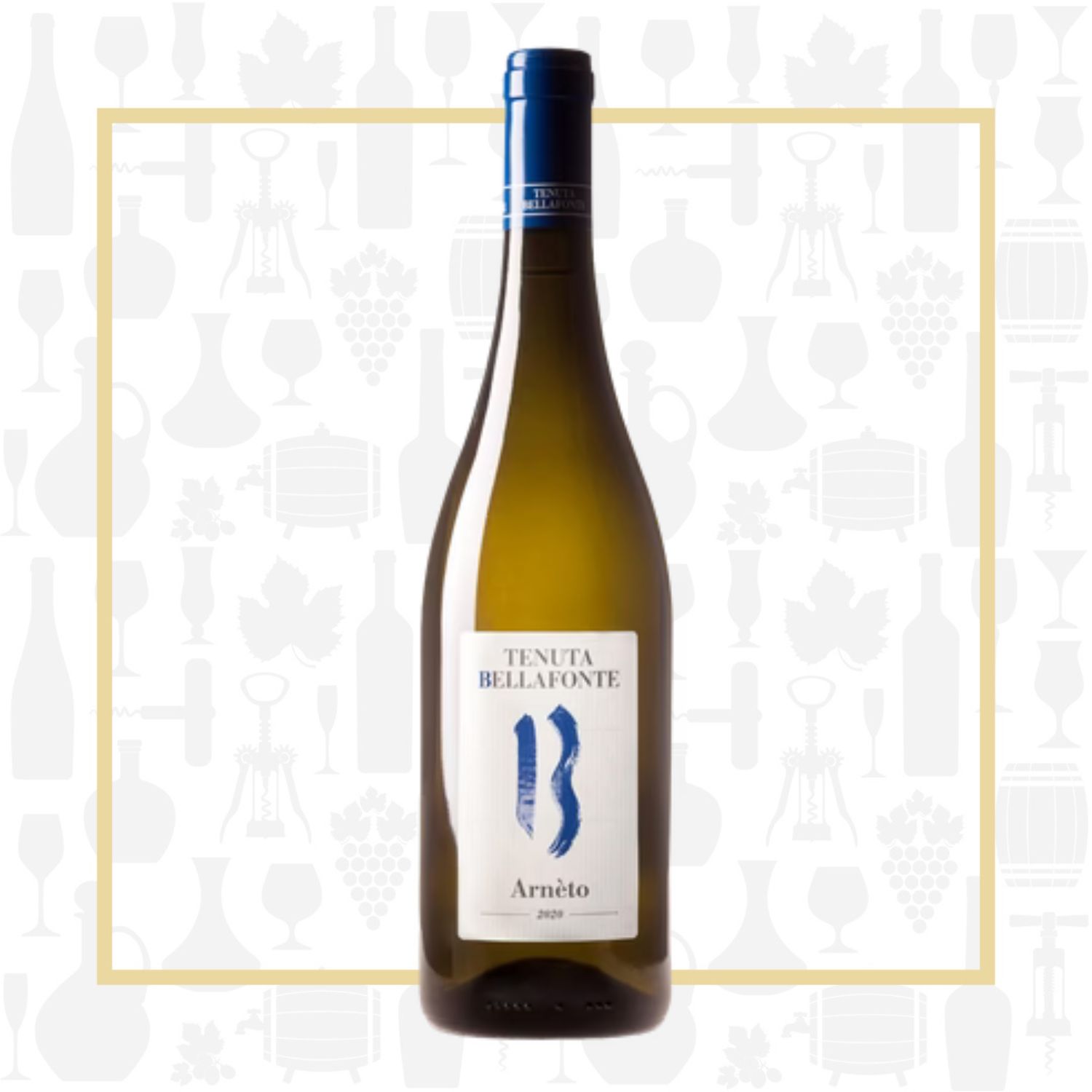
Peter Heilbron, a Milanese-born executive from the food and beverage industry, fell in love with the unique terroir of Montefalco, near Perugia — home to the powerful and structured Sagrantino di Montefalco — and purchased a large, old vine vineyard on the slopes leading up to the Umbrian Appenine ranges. His property is planted to the indigenous Sagrantino and Trebbiano Spoletino grapes. The tough, stony soil is mixed with the area’s typical marl and arenaceous formations. Tenuta Bellafonte’s aim is to blend into the landscape, impacting the environment as little as possible. No chemical herbicides or pesticides are used in the vineyard and the underground cellar uses solar panels and a biomass boiler, greatly reducing environmental damage and waste; even the remains of pruning are used to produce energy. Winemaking is done with minimal intervention, utilizing indigenous yeasts for spontaneous fermentation, and the wines are bottled unfined and unfiltered.
Region
Bordered by the better-known wine growing regions of Tuscany, Marche and Lazio, Umbria has 13 different appellations and a slew of indigenous varieties. The best known wines of the region are the white Orvieto, made from a blend of local white grapes such as Grechetto, Malvasia and Trebbiano, as well as the brooding red wines made from Sagrantino. The region has hot, arid summers, rainy autumns and cool evenings throughout the growing season. The sub-appellation of Montefalco is one of the warmest in Umbria and its stony soils are laced with mineral deposits. Known as Italy's "green heart", winemaking has been conducted in the region for over 3000 years! The wines of Umbria — particularly Sangiovese-based Torgiano and Sagrantino di Montefalco — have great local exposure, especially in nearby Rome, but foreign markets have been slow to discover these structured, age-worthy beauties.
Vineyard
The grapes are sourced from vineyards in Torre del Colle (Bevagna) at 250-320 meters above sea level, featuring clay, marl, and sandstone soils. The 2022 season followed a cold winter with good rainfall, a mild spring, and a temperate June.
Winemaking
The grapes undergo a cold pre-fermentation maceration on the skins of whole berries. Spontaneous fermentation in large Slavonian oak casks using native yeasts, followed by spontaneous malolactic fermentation, which contributes to the wine's texture. Matured for one year on its lees in Slavonian oak barrels. Bottled without filtration, to maintain its natural integrity, and then refined in the bottle for at least 5 months before release.
Tasting Notes
"Vivid straw yellow flecked with gold. Fascinating olfactory range of cedar and orange blossom followed by pineapple, apricot, hints of chamomile and white truffle. In the mouth it is characterised by fullness and verticality. A savoury trail serving long persistence accompanies a finish with hints of citrus fruits." 94/100 – Italian Sommellier Association Guide
Varieties
Trebbiano Spoletino is an ancient white grape variety native to the Umbria region of central Italy, specifically the area between Spoleto and Montefalco. After nearly being lost, it has seen a major renaissance since the early 2000s, becoming one of Italy's most exciting "new" high-quality white varietals. Spoletino is genetically distinct from the common Trebiano Toscano and is capable of producing complex, age-worthy wines. Its hallmark is pronounced acidity, which remains high even in hot years, providing excellent freshness and structure.