
Cellar Profile
Tenuta di Castellaro’s breathtaking, sustainable winery is located on Lipari, the largest of Sicily’s volcanic Aeolian Islands. In 2005, Massimo Lentsch and Stefania Frattolillo, two entrepreneurs from Bergamo, planted Castellaro’s first vineyards. The winery is farmed organically, with a keen eye toward sustainability and minimal ecological impact. It is powered by cutting-edge bio-energy, including solar chimneys and wind towers. Rare Lipari Island varieties such as the famed Malvasia delle Lipari and Corinto Nero, as well as indigenous Sicilian grapes, like Carricante and Nero d’Avola, are planted on steep slopes and are grown “wild”, allowing native flora and fauna to be part of the ecosystem, to add to the rich biodiversity. The wines of Castellaro are known for their elegance, rich primary fruit and delicious, lip-smacking lick of salinity from the salt-infused rains and winds of the southern Mediterranean.
Region
Lipari Island is part of the Aeolian Archipelago, a historic group of islands on the north coast of Sicily in the Tyrrhenian Sea. Lipari is the largest of these islands and home to the winery. These incredibly fertile, volcanic soils were first planted to vine by the Phoenicians and have been producing wine for thousands of years. Steady breezes on this windswept island help cool the bunches during the hottest part of the days, making extremely hospitable conditions for organic and sustainable farming practices. The region is home to the indigenous varietals Corinto Nero and Malvasia delle Lipari. The deep volcanic sands sit atop large beds of porous volcanic slabs providing excellent drainage; even the most rainy years have little detrimental effect on the grapes.
Vineyard
The Tenuta di Castellaro Vineyard is located on the volcanic Piana di Castellaro which rises 1150 ft above the nearby Mediterranean. It is farmed organically in dark sandy soils mixed with a deep layer of rich, fertile volcanic soils which contain high levels of magnesium, nitrogen, calcium and potassium. The vines are "head-trained", with large clusters affixed to upright poles, increase planting density and focusing the plant's energy on fewer, healthier grape bunches. The proximity to the sea creates a near constant wind, which helps prevent mildew and most fungus and cools the berries during the midday heat.
Winemaking
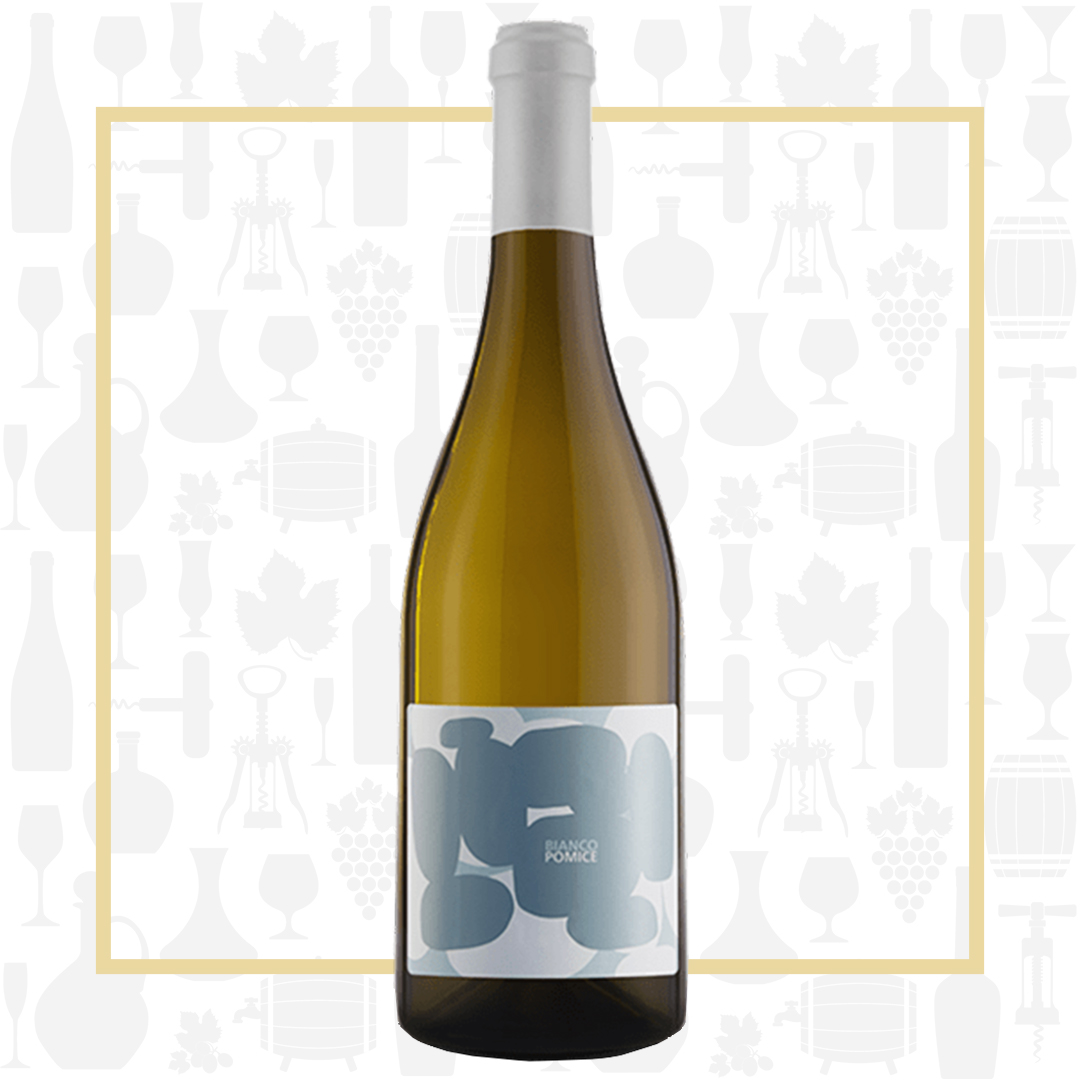
Grapes from the winery's oldest vineyards are hand-harvested, hand-sorted and pressed directly using a pneumatic press, followed by static settling at 10–12°C to clarify the must. Fermentation takes place in stainless steel at 16–18°C, with bâtonnage and extended lees contact for roughly six months. The aim is to harmonize the aromatic intensity of Malvasia delle Lipari with the tension and crispness typical of Carricante.
Tasting Notes
A vibrant, organic Sicilian white characterized by intense aromas of grapefruit and pear, with a sharp, saline and highly mineral palate. Explosive citrus (grapefruit, pomelo) and white flower flavours are accompanied by stony minerality and Mediterranean herbs. High acidity is beautifully balanced by a slight, creamy texture from lees aging. Chill lightly and enjoy alongside freshly shucked oysters, salty Sicilian ham or as an aperitif.
Varieties
Malvasia delle Lipari is an ancient grape that only exists on the tiny island of Lipari – plantings in Lazio and on the island of Sardinia, sadly, have been forgotten. It is intensely aromatic with bracing acidity and is usually reserved for sweet Malvasia delle Lipari Passito but is also made as a dry aperitif or as a richer contemplation-style wine. Loose grape bunches make it less prone to rot in humid vintages, but it is highly susceptible to disease, making organic viticulture challenging. Carricante is indigenous to the eastern parts of Mount Etna in Sicily. This big-berried, high-yielding, slow-ripening grape prefers volcanic soils and is perfectly suited for the long, hot growing seasons of southern Italy. It also grows best where there are large diurnal shifts, as its trademark acidity needs hot days to ensure full ripening of the sugars for balance, while cool evenings ensure that its true, nervy character remains. Frequently, lees aging and stirring are used to add mouth feel and complexity. The finest examples age extremely well and gain significant complexity with time in the bottle.