
Cellar Profile
In the spring of 1887, a young Frenchman named Emile Bouchon left his small winegrowing town in Bordeaux, France and boarded a ship headed for Chile. In time, he purchased a wine cellar in Colchagua Valley and turned it into one of the most prominent vineyards of that age. Emile's grandson, Julio, fell in love with the granitic soils in the interior dry area in Maule Valley, acquiring Mingre Estate in 1977. The family acquired two additional Maule vineyards with different soil compositions and perspectives. These minimal interventionists are part of "Vigno", the association of winemakers created to highlight the exquisite qualities of Carignan from the Maule Valley. The winery also leads Chile's wine evolution by revitalizing the indigenous and exciting Pais grape — formerly the region's workhorse variety — to preserve ancestral viticultre and to make top-end quality wines. Pais Salvaje (their natural versions of Pais) are made from untrained, wild vines that have mutated, spread around their home vineyards and twisted around trees and which are harvested on ladders from the treetops themselves. Spontaneous ferments as well as careful use of concrete, French oak and clay amphorae highlight the unique terroir of these vineyards. Bouchon Family Wines garner accolades around the world.
Region
The Maule Valley was one of the first viticultural regions in all of South America, planted most commonly to Pais (known in California as Mission grapes). Part of the larger Central Valley region of Chile, Maule lies further south than the better-known Colchagua and Maipo regions. It is also cooler than Colchagua or Maipo. The flow of the Maule River that runs into the Pacific helps moderate daytime temperatures in the interior part of the region and cool evenings during the growing season help maintain freshness and acidity in the wines produced. The proximity to the Pacific Ocean means there is plenty of rain during the winter, but the growing season is extremely dry. You find primarily alluvial soils from old sea beds, along with red clay and granite. As the resurgence of Pais has brought more acclaim to the old vine vineyards of the region, so has cultivation of Carignan. "Vigno" (which stands for Vignadores de Carignan) is an association of old vine Carignan growers whose goal is to create an appellation of origin for wines made from organic, 60+ year-old Carignan vines that have been dry-farmed and bush-trained in the Maule Secano area.
Vineyard
Sourced from old, ungrafted, dry-farmed bush vines on the Batuco vineyard, a coastal estate situated approximately 30 km from the Pacific Ocean in the Maule Valley. It benefits from a temperate Mediterranean climate with cooler maritime influences and dry, sunny days.The ancient soils found here have low clay content and include elements of sand, silt, feldspar and kaolinite, which contribute to the wine's characteristic salinity and mineral finish.
Winemaking
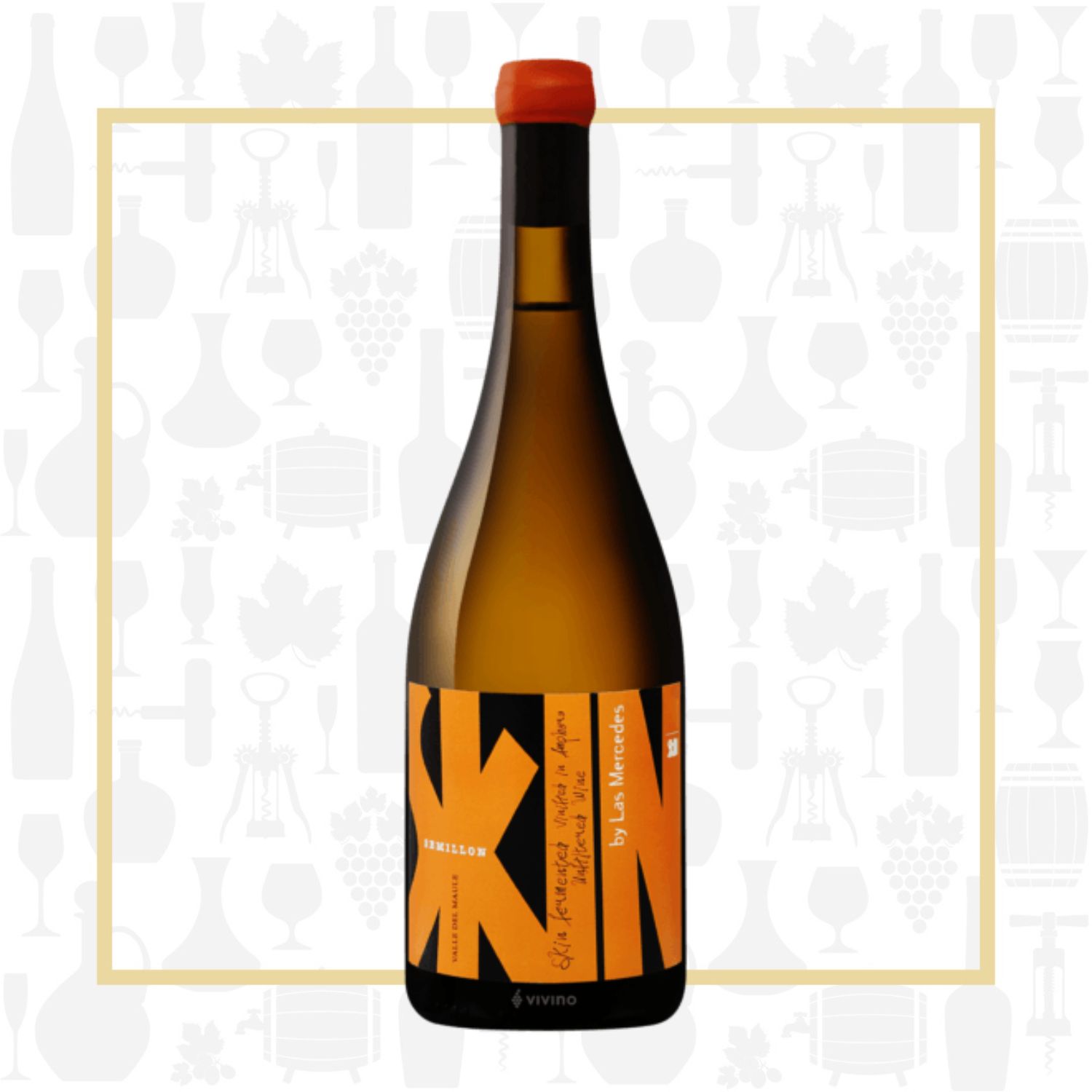
Hand-picked in small boxes. The juice ferments with its skins in a clay amphora with native yeasts. Aged 12 months in amphora without sulphur. Low intervention. No additives, no fining, no filtration.
Tasting Notes
Distinctive, amber-colour. Complex and intense aromas of ginseng, dried flowers, apricot, thyme and bitter botanicals, with fruity layers of pear, baked apple and apricot. Surprisingly smooth for a skin-contact wine. The concentrated mouthfeel has notes of pear, white pepper and anise. Excellent structure with fine tannins and a pronounced, long, salty finish. Enjoy with charcuterie.
Varieties
Semillon is a golden-coloured, versatile white grape variety originating from Bordeaux, France. It is also successfully grown in Australia, South Africa, Chile and Argentina. It is known for being medium- to full-bodied, with low acid and a distinctive waxy mouthfeel. When blended with Sauvignon Blanc, it makes world-class dry whites, particularly in Bordeaux and the Hunter Valley of Australia. It also produces renowned sweet wines, as its thin skin makes it susceptible to noble rot. The most famous expression of these is Sauternes, a dense and honeyed dessert wine.