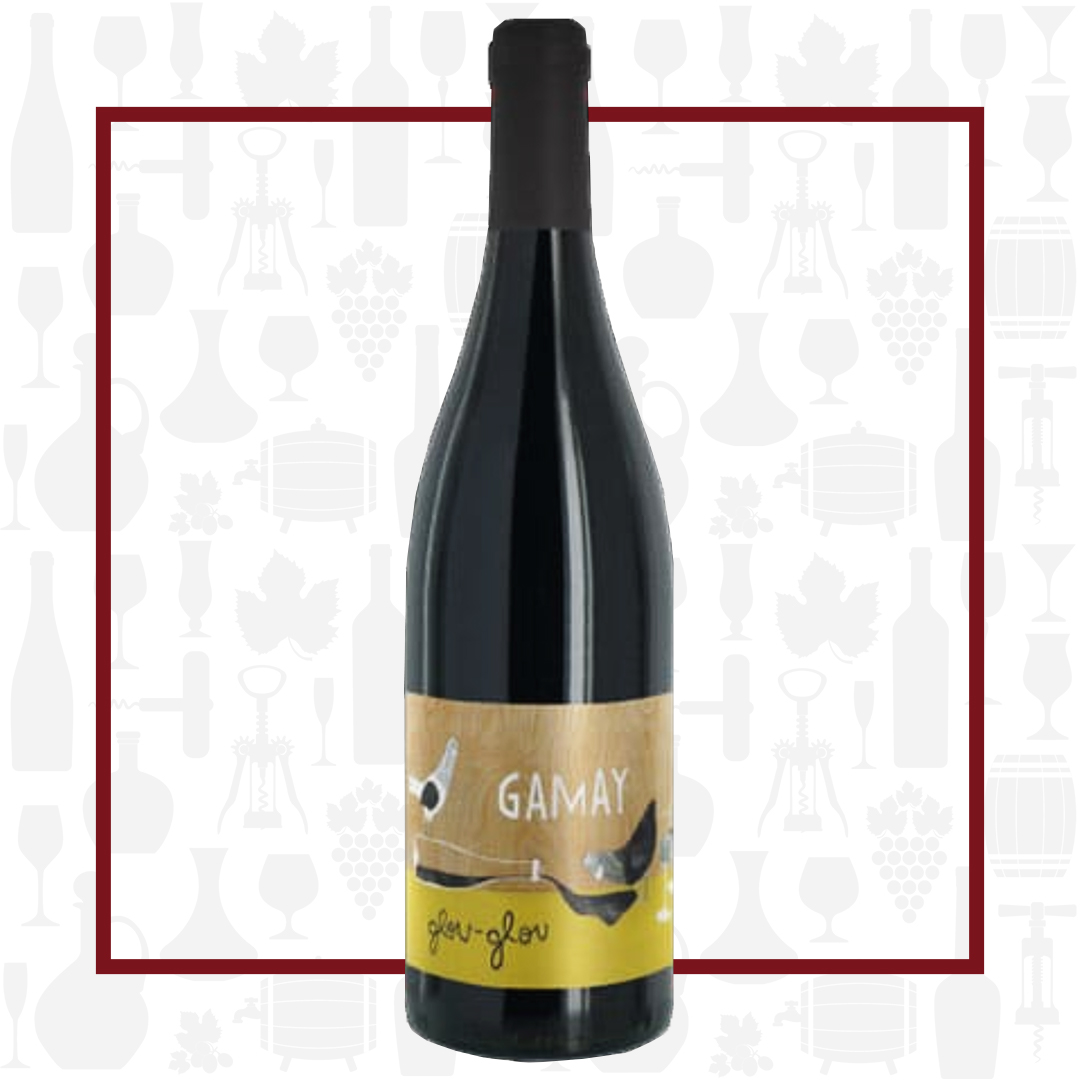

Cellar Profile
The Duperray estate has been producing wine in the southern part of the Beaujolais region, in the commune of Saint-Julien, near the Beaujolais cru of Fleurie, since 1840. Jean Baptiste was a young winemaker in his late 20s when, in 2014, he took over the property from his father, continuing his family's legacy. Duperray practices sustainable viticulture and is HVE (High Environmental Value) certified. He avoids herbicides, pesticides, and chemical fertilizers. Weed control is done by plowing, and pruning and harvesting are done by hand. He believes that the best wines are made in the vineyard and his winemaking style involves minimal intervention to allow the terroir to shine. The estate is celebrated for its natural-style Gamay wines, which are fresh, vibrant and highly drinkable wines.
Region
Beaujolais is the French wine region immediately to the south of Burgundy. Interestingly, some consider it to be part of Burgundy, while others do not. However, climactically, it is closer to the Rhône Valley and part of it falls within the northern Rhône-Alpes region. In the north, Beaujolais soils are granitic and sandy, ideal for growing juicy, vigorous Gamay Noir. In the southern parts of Beaujolais, where the soils are rich in limestone, high quality white grapes such as Auxerrois and Chardonnay can be grown.
Vineyard
Estate vineyards in the southern part of Beaujolais. The soil is a mix of silt, clay and rich loam. Farmed organically, with great respect given for biodiversity in the vineyard. The 2024 growing season was characterized by lower temperatures and higher precipitation, resulting in a lighter wine – not as big as 2022 or 2023 – with more acidity and a very red fruit profile.
Winemaking
Whole-cluster carbonic maceration in concrete, without additives, for eight days. During carbonic maceration, whole berries are placed in a sealed container and the sugars are allowed to naturally ferment at an intra-cellular level, imparting low alcohol, softening the perception of tannins and amping up the primary fruit profile. There is usually a telltale "bubblegum" note with wines made this way. After the grapes are crushed, fermentation with native yeasts begins without added sulfur or nutrients. The wine spends six months in concrete, aging on its lee, and is lightly fined with a vegan solution before being racked off the lees for bottling.
Tasting Notes
Exactly what you want and expect from Beaujolais. A juicy, mouthfilling and fresh Gamay with notes of sweet-tart red fruits (raspberry and cherry), cola and an enjoyable earthy / savoury finish. Serve slightly chilled with simple dishes like burgers, hot dogs or a charcuterie board with paté, dried cured meats and sharp cheeses.
Varieties
Gamay, like the Beaujolais region in which it thrives, is often misunderstood and under appreciated. Depending on how it is grown and vinified, it can produce simple, light fruity wines (Beaujolais Nouveau) as well as bigger, structured reds showing cherry, berries, pepper and roasted notes (Cru Beaujolais).