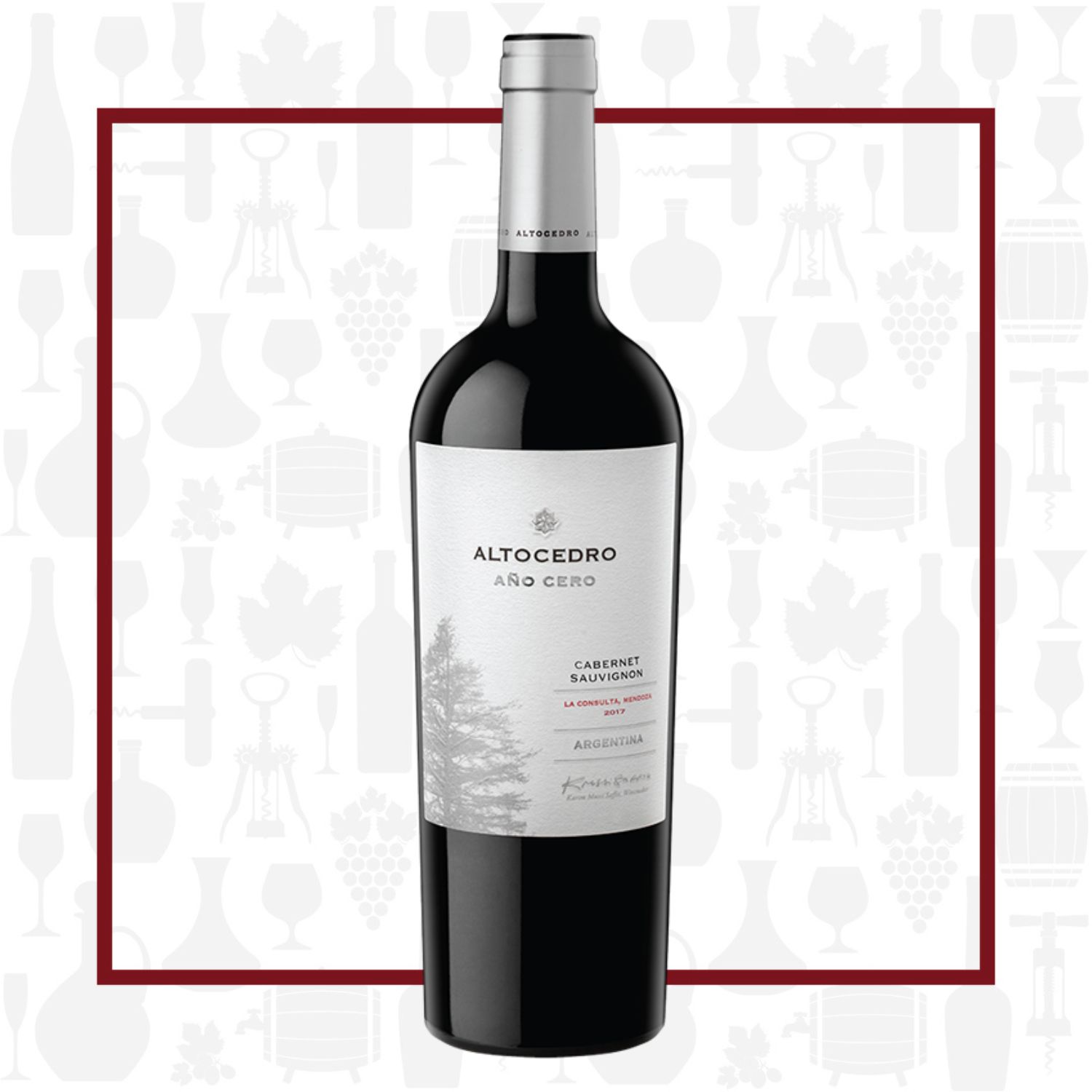

Cellar Profile
Since 1999, Karim Mussi has been crafting sublime wines in the La Consulta region of the Uco Valley in Argentina. Mussi believes in terroir and seeks to bring out the the distinct nature of the vineyard and it's original old-vine rootstocks in his finished wines. He has adhered to sustainable farming methods since the winery's inception, takes a minimalist approach in the cellar and utilizes indigenous yeasts, in 100 year-old concrete vats, during fermentation. Altocedro's work helped establish the La Consulta region, which was awarded one of the few Argentinean "Geographic Indication" Appellations in 2019. La Consulta vineyards sit as high as 1700m, allowing for plenty of sunlight, limited rainfall (particularly during the growing season) and huge diurnal temperature drops in the evenings to maintain acidity. The wines deliver purity of fruit, varietal character, balancing acidity and, in the case of the reds, silky, but apparent tannic structure. There is a touch of saline minerality on the finish to these that is the hallmark of high-altitude wines.
Region
With its near-dessert conditions, extreme elevation and wide diurnal shift, grape vines have proven to thrive in various regions of Argentina. Planting in the Uco Valley date to the 1920s. This fruit was originally used to add colour and acidity to the wines of warmer areas until winemakers in the 1990s saw larger potential for the region. Today, Uco Valley is producing some of the most influential wines of Argentina. The valley, which runs north to south, is 70 KM long and 40 KM at its widest in the south. It is capped by desert conditions, with cold winds blowing in from Patagonia. At its north end, hills reach 1400 metres+. To the east, the region runs into a series of gorges and dry riverbeds. Here you will find more varied soil types than in many other Argentine wine regions. In the south, you will find sand and sandy loam while the northern portion of the valley is made up of more alluvial with outcrops of limestone.
Vineyard
The grapes for this wine were sourced from the El Cepillo, an ideal home for Cabernet given its cooler climate conditions. The perfect balance of concentration and freshness results in great varietal identity and terroir personality. Soils here are very sandy on the surface but with an impenetrable ‘caliche’ bottom for the roots.
Winemaking
Minimal intervention in the cellar allows for a pure and full expression of terroir. Hand-harvested grapes were gravity fed into small concrete tanks without maceration or inoculation to set the stage for spontaneous whole-berry fermentation with indigenous yeasts. One third of the volume is aged in French oak barrels for 10 months. Bottled unfiltered.
Tasting Notes
Expressive aromas of black fruit – cassis, plum blackberry – and fresh black pepper, with underlying notes of tobacco and cedar. Medium-bodied with generous ripe red fruit and spice flavours balanced by bright acidity and chewy tannins.
Varieties
Cabernet Sauvignon is probably the most famous red wine grape variety on earth and has successfully spread to almost every wine growing country. DNA profiling carried out in California in 1997 confirmed that Cabernet Sauvignon is the product of a natural genetic crossing between key Bordeaux grape varieties Cabernet Franc and Sauvignon Blanc. There are two key reasons for Cabernet Sauvignon's rise to dominance. The most simple and primordial of these is that its vines are highly adaptable to different soil types and climates; it is grown at latitudes as disparate as 50°N (Okanagan Valley, Canada) and 20°S (northern Argentina), and in soils as different as the gravels of Pessac-Leognan and the iron-rich terra rossa of Coonawarra. Secondary to this, but just as important, is that despite the diversity of terroirs in which the vine is grown, Cabernet Sauvignon wines retain an inimitable "Cab" character, nuanced with hints of provenance in the best-made examples. Cabernet Sauvignon wines always seem to demonstrate a handful of common character traits: deep color, good tannin structure, moderate acidity and aromas of blackcurrant, tomato leaf, dark spices and cedarwood.